Gothic Tablescaping Part 4: Food Presentation
You’ve spent hours building the centerpiece, laying perfect place settings, and arranging candles into a golden tableau. Then someone puts a bag of tortilla chips on the table and the spell breaks. Food presentation is where many Halloween hosts lose the thread, because the food itself needs to be functional (edible, accessible, safe to eat) while also serving as part of the visual design.
This lesson isn’t about making food look like body parts or carving faces into cheese balls. That’s the territory of children’s parties. Gothic food presentation is about serving good food in vessels and arrangements that maintain the atmosphere you’ve built.
Serving Vessels: Beyond the Chip Bowl
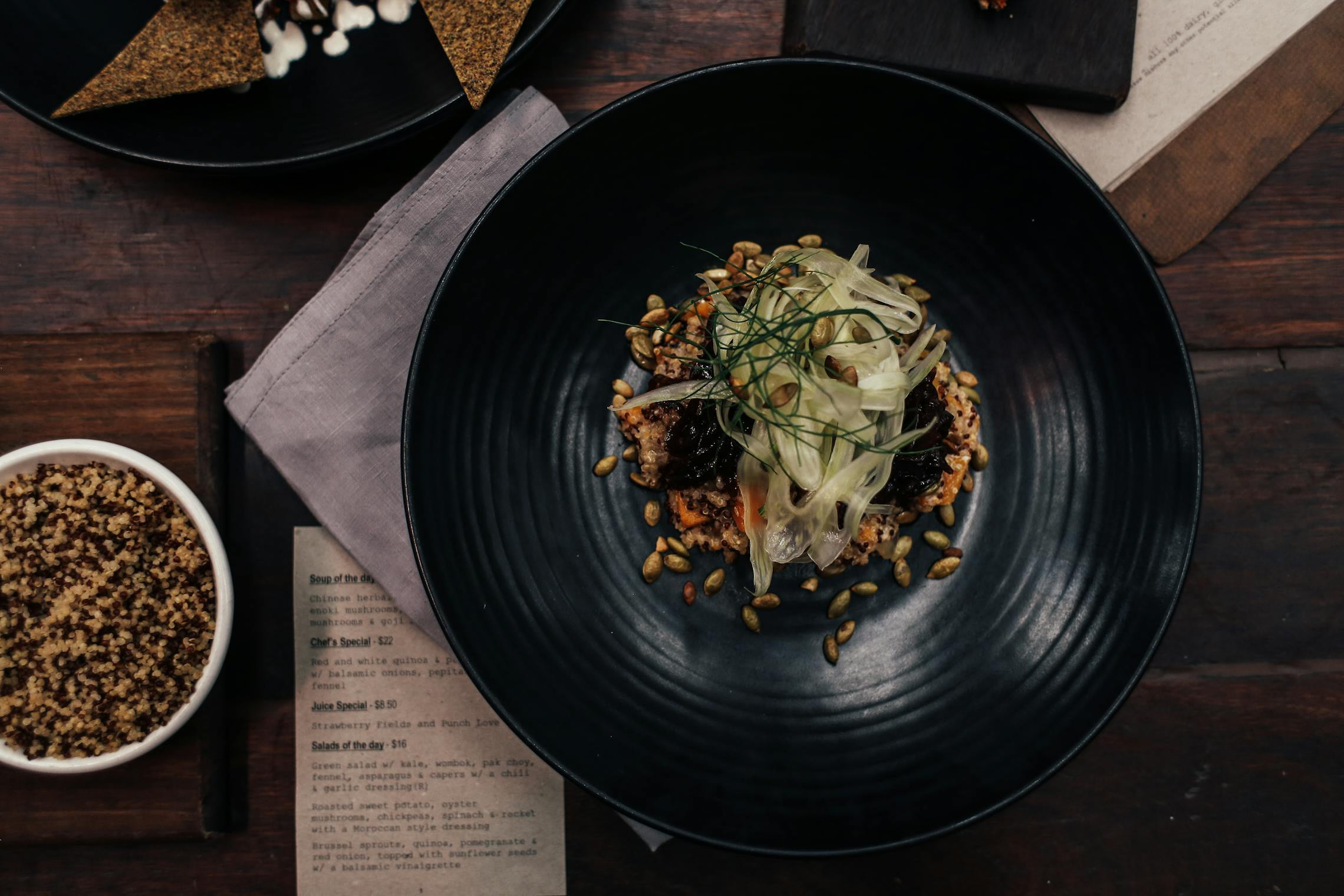
The container matters as much as the contents. Standard white ceramic serving dishes are invisible on a normal table, but on a gothic table they’re a visual interruption. Dark, textured, and unconventional vessels keep the aesthetic intact.
Cauldrons. A cast-iron cauldron (any size from a small 2-cup handled pot to a large floor-standing piece) is the most iconic Halloween serving vessel. Use small cauldrons for dips, medium ones for soups or stews, and large ones (lined with plastic) for punch or for chilling bottles on ice. The black iron disappears into the dark tablecloth, making the food itself the focal point.
Apothecary jars. Tall glass jars with lids, originally used in pharmacies to display ingredients. Fill them with candy, nuts, dried fruit, cookies, or anything small and colorful. The glass catches candlelight and the height adds vertical interest to a buffet. Label them with handwritten tags on aged paper for an extra touch.
Tiered stands. A two- or three-tier serving stand elevates food above the table surface, creating visual layers. Black metal, wrought iron, or distressed wood stands suit the gothic look. Use them for desserts, small appetizers, or bread.
Wooden boards and slabs. A dark walnut cutting board or a raw-edge wood slab serves as a base for charcuterie, cheese, and bread arrangements. The organic material and irregular shape add warmth and texture to a table dominated by metal and glass.
Slate and stone. A slate cheese board or stone slab provides a cool, dark surface for serving. Write directly on slate with chalk for labels. Wipe it clean and reuse next year.
Vintage finds. Silver trays (tarnished is fine), pewter plates, copper bowls, ornate cake stands from estate sales. The tarnish and patina are features, not flaws. A $5 thrift store silver tray looks perfect on a gothic table.
Color Strategy for Food
The color of the food itself contributes to or disrupts the atmosphere. You’re not going to avoid serving something just because it’s the wrong color, but you can make strategic choices and use presentation to manage the palette.
Dark foods that work naturally: Blackberries, dark grapes, figs, pomegranate seeds, dark chocolate, blood oranges, beets, purple cabbage slaw, black olives, dark bread, smoked meats. These slot into the gothic palette without any modification.
Bright foods that need framing: Carrots, hummus, yellow cheese, citrus fruits. Place them in dark vessels so the container provides the palette continuity. Orange hummus in a black bowl looks intentional. Orange hummus in a white bowl looks like a different party.
Red is your friend. Red foods (tomatoes, red peppers, rare beef, berries, red wine) read as both appetizing and atmospheric. Red and black together is a natural gothic pairing.
Avoid neon and pastels. Bright green guacamole, pink frosted cupcakes, and yellow mustard are hard to integrate without looking like they wandered in from a different event. Serve guacamole in a dark mortar. Frost cupcakes in black or dark purple. Decant mustard into a small dark ramekin.
Garnish as Decor
The line between garnish and decoration blurs on a gothic table. Edible elements that serve both functions are your most efficient tools.
Fresh herbs. Rosemary sprigs, thyme, and sage are dark green, fragrant, and look like they belong in an apothecary. Scatter them around serving vessels, tuck them into napkins, or lay them across cheese boards.
Edible flowers. Dried or fresh edible flowers in dark colors (pansies, violas, bachelor’s buttons in deep purple) turn a simple dish into a composition. Float them in drinks, press them onto desserts, or scatter them across a buffet surface.
Pomegranate seeds. Scatter a tablespoon of seeds around a serving tray. They look like dark jewels (or drops of blood, depending on your guests’ imaginations) and they’re completely edible.
Cinnamon sticks and star anise. Whole spices have a medieval, alchemical look. Place them around the base of serving vessels or float them in warm drinks.
Chocolate shavings. Dark chocolate shavings scattered on a light dessert surface (a cake plate, a cheesecake, a panna cotta) add color and texture.
Buffet Layout
A buffet needs to flow logically (plates first, then food in eating order, then utensils and napkins) while also looking composed as a whole.
The landscape approach: Build the buffet like a landscape, with height variation from back to front. Tall elements (tiered stands, stacked crates, elevated platters on overturned bowls) at the back. Medium elements in the middle. Low elements (flat boards, shallow bowls) at the front where guests reach.
Symmetry or asymmetry? A formally symmetric buffet (identical arrangements on both sides of a central focal point) reads as elegant and intentional. An asymmetric arrangement (taller on one side, cascading down to the other) reads as natural and collected. Either works. Choose based on the shape of your serving table and the space available.
Gaps matter. Don’t pack every inch of the buffet surface with food. Deliberate negative space lets each dish breathe and prevents the table from looking like a potluck. Fill gaps with candles, decorative produce (the same elements from your centerpiece), or simply dark fabric.
Label everything. Guests with allergies and dietary restrictions need to know what’s in each dish. Small labels on aged card stock, written in a decorative hand, serve both the practical and aesthetic needs.
Drink Stations
A dedicated drink station separates beverage traffic from food traffic and gives you a second surface to design.
The punch bowl setup: A large dark vessel (cauldron, crystal punch bowl, apothecary jar with a spigot) as the centerpiece, surrounded by appropriate glassware. Add dry ice to the vessel for fog that rolls over the edges and down the table (use a liner insert so the dry ice doesn’t contact the drink directly). This single effect gets photographed more than anything else at a Halloween party.
The cocktail bar: If you’re serving mixed drinks, set up a station with bottles displayed on a tray (decant cheap liquor into interesting bottles), a bowl of garnishes (black cherries, blood orange slices, rosemary sprigs), and a bucket of ice in a dark metal container.
Self-serve wine or beer: Dark bottles in a wooden crate or galvanized metal tub of ice. Simple, functional, and visually consistent. Print labels for homemade or rebranded bottles if you want to take it further.
Non-alcoholic options: Sparkling water in dark glass bottles, cider in a cauldron with a ladle, or a “potion bar” with flavored syrups, sparkling water, and garnishes that guests can mix themselves.
Practical Notes
Temperature management. Hot food stays hot in prewarmed vessels (fill with hot water 10 minutes before service, then drain and fill with food). Cold food stays cold when served on chilled slate or stone slabs (refrigerate the slab for an hour before use).
Replenishing. Keep backup food in the kitchen, not piled high on the serving table. A half-empty platter with careful arrangement looks better than an overflowing one that collapses into a mess.
Cleanup plan. With all these special vessels, plan your cleanup. What can go in the dishwasher? What needs hand-washing? What gets wiped down and put straight back into storage? Answering these questions before the party saves frustration at midnight.
That wraps the Gothic Tablescaping series. For the finishing atmospheric touch, learn how to fill your spaces with layered ambient sound that ties the whole experience together.