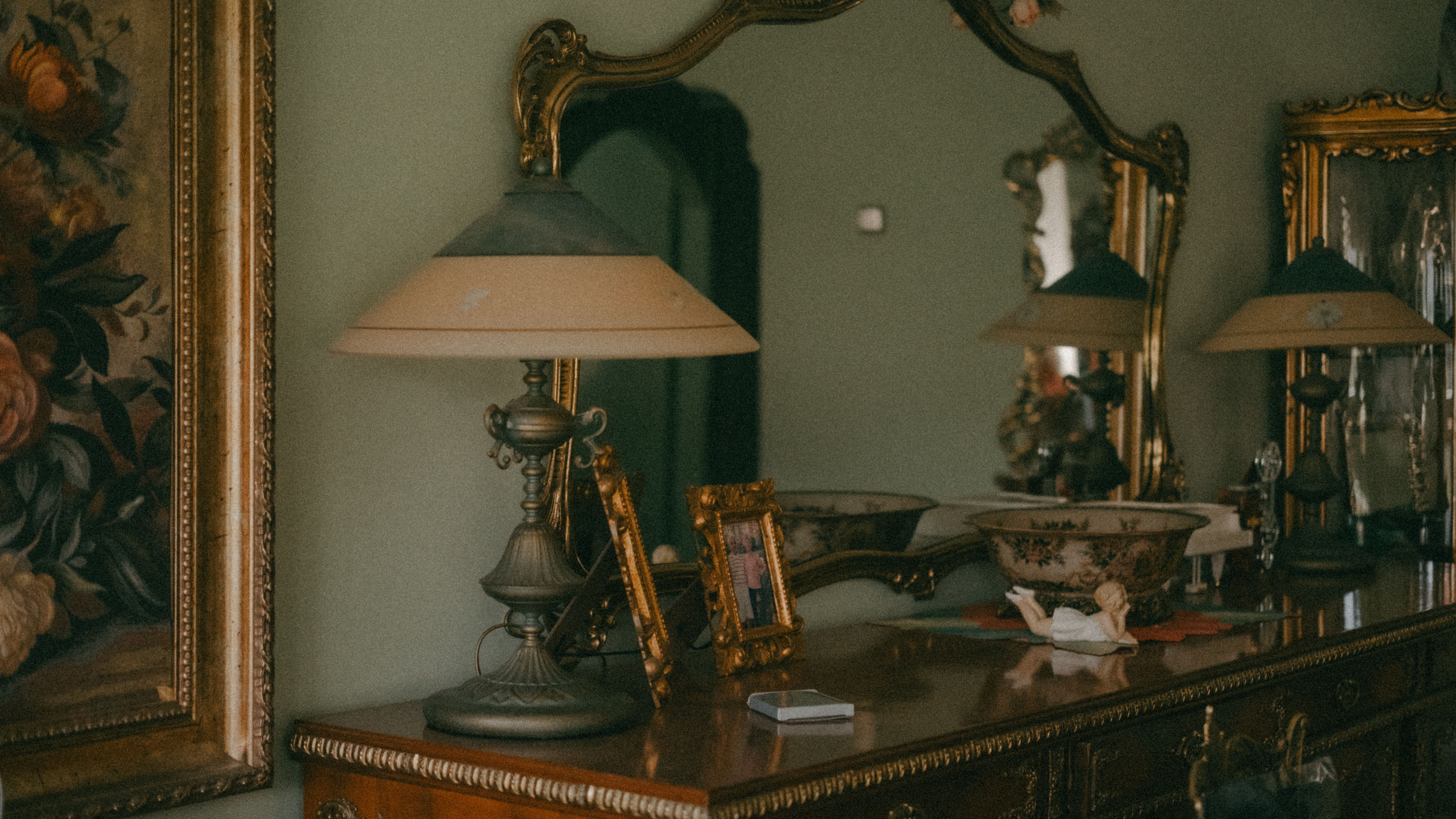
The bathroom is the most underrated room in your Halloween decorating plan. Here’s why it works so well: guests visit it alone. They’re slightly vulnerable (it’s a private moment in someone else’s house). They don’t expect it to be decorated. And they close the door behind them, sealing themselves inside whatever you’ve created.
When a guest walks into a well-decorated bathroom and shuts the door, they’re trapped in your scene with no audience. The reaction is always bigger because there’s nobody to perform calm for. I’ve had guests come out of the bathroom wide-eyed and ask “Did you know there’s a…” Yes. Yes I did.
Here are twelve ideas, ordered from “takes five minutes” to “you might be a little obsessed.” For a room-by-room approach to your whole house, see our indoor decorating guide.
1. The Towel Swap
Time: 2 minutes | Cost: $8-15
Replace your hand towels with black ones. That’s it. Black hand towels instantly change the bathroom’s tone, especially against a white sink. For an extra touch, fold them neatly and place a small fake spider on top.
Buy the towels from a dollar store or discount rack. Don’t use your good towels. Black dye bleeds when wet, and your guests will be drying their hands on these all night.

Black Cotton Hand Towels (4-Pack)
Soft 100% Turkish cotton hand towels in true black. Thick enough to feel intentional, affordable enough that you won't care about dye bleed.
2. The Apothecary Counter
Time: 15 minutes | Cost: $10-20
Decant your hand soap into a dark glass pump bottle. Label it with a parchment-style tag: “Witch Hazel Tincture” or “Dr. Mort’s Sanitizing Solution.” Do the same with any lotion bottle on the counter. Add 2-3 small glass jars (thrift store finds work great) filled with cotton balls, bath salts, or dried herbs, each labeled with something ominous: “Crushed Bone,” “Dried Nightshade,” “Powdered Moonstone.”
The bathroom counter becomes an apothecary shelf, and guests will read every label while washing their hands. Our free potion bottle labels printable gives you 12 pre-designed labels for this exact setup, and our apothecary shelf guide covers aging them and what to fill the jars with.

Amber Glass Soap Dispensers (Set of 2)
16oz dark amber glass bottles with matte black pumps and 27 waterproof labels included. The apothecary look is built right in.
3. The Bloody Sink
Time: 5 minutes | Cost: $3
Buy a tube of washable fake blood (the thick, gel kind, not the runny stuff). Drip it down the inside of the sink basin and let it pool slightly near the drain. Add a single streak on the faucet handle. The key is restraint. A little blood in a white sink is alarming. Too much looks like a prop department exploded. Two or three drips and one smear is the right amount.
Important: Use washable theatrical blood that’s specifically marked as safe for porcelain. Some costume blood stains permanently. Test on an inconspicuous spot first.

Kangaroo Washable Theatrical Fake Blood
Thick, gel-consistency fake blood that washes clean from porcelain sinks. The formula is specifically designed for props and decor, not just costumes.
4. The Mirror Message
Time: 5 minutes | Cost: $0-3
Write a message on the bathroom mirror with a white crayon, white bar soap, or a grease pencil. The message is invisible when the mirror is dry. When your guest washes their hands and steam from the warm water fogs the mirror, the message appears: “BEHIND YOU,” “GET OUT,” “I SEE YOU,” or simply “HELP.”
This works best if the bathroom is warm and the faucet runs hot. In a cold bathroom with cold water, the mirror won’t fog. Test it beforehand.
5. The Light Swap
Time: 3 minutes | Cost: $3-5
Replace the bathroom light bulb with a red or dim amber LED bulb. The transformation is immediate and disorienting. Red light in a bathroom makes everything look wrong. Your own reflection looks wrong. Combine with any other idea on this list and the effect multiplies.
If you don’t want to commit to full red, a very dim amber bulb (15 watts or equivalent) gives a “candlelit Victorian washroom” feel that’s creepy without being aggressive. Our lighting guide covers color psychology for every room, including which colors pair best with specific scare techniques.

Red LED Light Bulbs (2-Pack)
60W-equivalent red A19 bulbs with a standard E26 base. Swap in seconds and the bathroom transformation is immediate.
6. The Shower Curtain Silhouette
Time: 15 minutes | Cost: $5-10
If you have an opaque shower curtain, tape a life-size silhouette to the inside (the tub side) of the curtain. Cut the shape from black poster board or a black trash bag: a standing figure, a figure with a raised hand, or just a hand pressed against the curtain from inside.
Place a small LED light inside the tub (behind the curtain) pointed at the silhouette. The backlight makes the shadow visible through the curtain. From the bathroom side, it looks exactly like someone is standing inside the shower.
Some guests will laugh. Some will check. Either reaction is a win.

Horror Shadow Shower Curtain
72x72 inch curtain with a pre-printed knife silhouette shadow. Waterproof polyester that works as a real shower curtain, so you get decor and function.
7. The Specimen Collection
Time: 20 minutes | Cost: $10-15
Fill 4-6 glass jars with water tinted green or yellow with food coloring. Drop in rubber eyeballs, plastic fingers, fake insects, plastic organs, or whatever gruesome dollar-store specimens you can find. Label each jar in your best handwriting: “Eyes (Assorted),” “Fingers, Unknown Origin,” “Toad Specimen, Nov 1887.”
Line them up on a shelf, the back of the toilet, or the windowsill. This works especially well in a bathroom with the red light swap (idea #5), because the colored water and specimens look much more realistic in tinted light.

Halloween Apothecary Bottle Labels (144 Pieces)
Vintage potion-bottle labels. Stick them on any glass jars for an instant specimen collection that looks hand-lettered rather than printed.
8. The Sound Trap
Time: 10 minutes | Cost: $0 (if you own a small Bluetooth speaker)
Hide a small Bluetooth speaker behind the toilet, inside a cabinet, or on a shelf behind jars. Play a subtle ambient loop: a slow heartbeat, quiet breathing, faint scratching, or a distant music box. The volume should be low enough that guests aren’t sure they’re hearing it at first. It should take 5-10 seconds of standing in the bathroom before the sound registers.
Don’t use jump scares or sudden loud sounds. The goal is unease, not a heart attack in your bathroom. Our sound design masterclass covers ambient layering techniques that work perfectly in small, enclosed spaces like bathrooms.
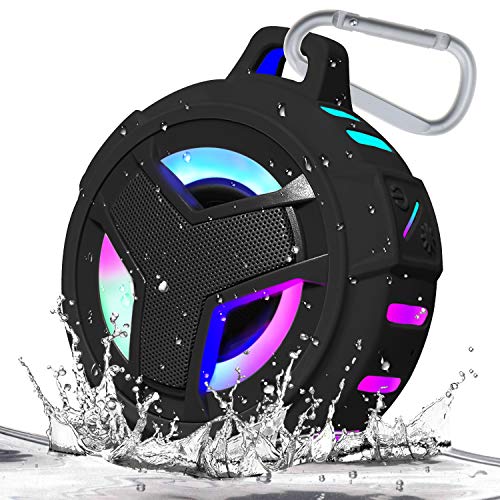
EBODA Bluetooth Shower Speaker
IP67 waterproof, small enough to hide behind a toilet or in a cabinet. The battery lasts all night and the sound quality handles subtle ambient loops well.
9. The Floor Treatment
Time: 15 minutes | Cost: $5-10
Place a dark bath mat (black or dark gray) in front of the sink. Scatter a few plastic spiders, bugs, or centipedes on the floor near the edges of the room, partially hidden by the base of the toilet or the cabinet. Add one near the bath mat, right where a guest would step.
For a more committed approach, buy a roll of clear shelf liner and print (or draw) bloody footprints on it, then lay it on the tile leading from the shower to the door. Sticky-side down, it stays in place all night.
10. The Back-of-the-Door Surprise
Time: 10 minutes | Cost: $5-15
Hang something on the back of the bathroom door, on the side that faces the room when the door is closed. The guest won’t see it when they enter (the door is open, blocking the back). When they close the door for privacy, they turn around and find it.
Options: a life-size poster of a creepy face, a hanging ghost figure, a framed “mirror” with a face already in it (idea #11), or a simple sign that says “You’re Not Alone in Here.” The moment of closing the door and turning around is psychologically loaded. Use it.
11. The Full Mirror Gag
Time: 30-45 minutes | Cost: $15-30
Leave the real bathroom mirror alone: its silver coat is on the back of the glass, so nothing behind it can ever show through, with or without film. Build a second “mirror” from clear glass instead and hang it where guests will look.
Version A (low tech): Take the glass out of a picture frame and turn it into a mirror with Krylon Looking Glass paint, which goes on the “reverse side of glass” (Krylon). Before you spray, paint a faint face or handprint on the back of the glass in grey. The face sits inside the mirror, a dim shape behind the guest’s own reflection, and it’s there every time they look up. The dim red or amber bulb from idea #5 hides the brushwork.
Version B (tech-assisted): Put two-way mirror film on clear frame glass and set a small screen (an old tablet, a cheap digital photo frame) close behind it. Gila, which makes mirror film, gives the rule the trick runs on: “Wherever the greater source of light is, that is the side where the mirror or reflectivity will be” (Gila FAQ). With the room lit, the glass looks like a mirror. When the screen shows a face, that side is brighter and the face appears. Gila’s own mirror film is adhesive and says it’s for glass only, not plastic, so skip plastic-front frames. The film below is static cling, applied with soapy water. Our guide to haunted portraits and mirrors has the full build.

Dwersty One Way Window Privacy Film, 17.5 x 78.7 in
Static-cling mirror film for clear glass, applied with soapy water and peeled off after Halloween. The listing's own note: the mirror effect holds 'when the light is stronger outside than inside' and disappears when the other side is brighter, which is exactly what lets a screen behind it show through.
12. The Complete Bathroom Takeover
Time: 60-90 minutes | Cost: $40-60
Combine five or six of the above ideas into a single, cohesive bathroom experience. Here’s a suggested combination:
- Red light bulb (idea #5) as the base
- Apothecary counter (idea #2) for visual interest at the sink
- Shower curtain silhouette (idea #6) as the big visual moment
- Mirror message (idea #4) as the delayed reveal
- Sound trap (idea #8) as the ambient layer
- Back-of-door surprise (idea #10) as the final beat
The guest experience: They open the door to a red-lit room. They see the labeled jars on the counter and the shadow in the shower. They close the door and find something staring at them. They wash their hands while a faint heartbeat plays somewhere, and as the mirror fogs, the words “HELP ME” appear. They leave the bathroom having had a complete, self-contained horror experience in under three minutes.
That’s the power of the bathroom as a decorating space. It’s small, contained, private, and sequential. The guest enters, closes the door, performs a routine action (washing hands), and leaves. You control every moment of that sequence. For the same level of psychological detail applied to another narrow space, see our guide to creating a haunted hallway.
Practical Considerations
Ventilation: If you’re using a red or amber bulb, the bathroom will feel more enclosed and warm. Make sure the exhaust fan works or crack a window slightly.
Cleanup: Fake blood in a sink stains if left overnight. Check between guests and wipe if the blood has dried or shifted.
Allergies: If you use essential oils, incense, or scented candles in the bathroom, keep them mild. A closed bathroom concentrates scent fast. Some guests have sensitivities.
Functionality: The bathroom still needs to function. Guests need to find the soap, the towel, and the light switch (even if the light is red). Don’t obstruct the toilet, sink, or trash can with props. Atmosphere is great. An inaccessible toilet is not. For more on balancing decoration with practicality, see our party safety tips and our guide to decorating on a budget.